
Imagine the first push of the edge through thick cardboard. There’s no snag, no real resistance. The blade goes in like it’s on rails, and all you feel is a clean, controlled cut. It’s not magic. It’s a large-radius hollow grind – a geometry that makes a difference exactly where it matters most: right behind the edge.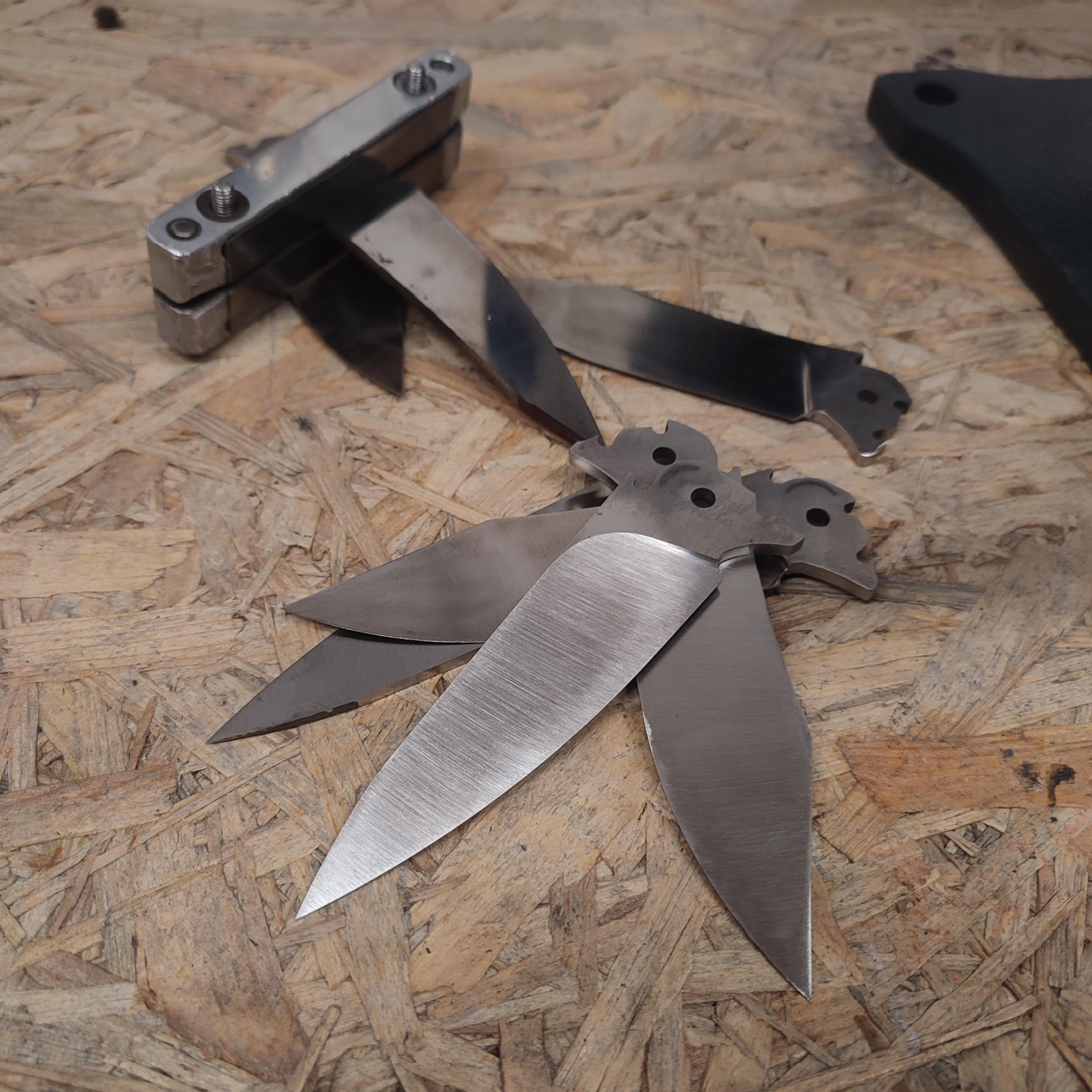
Where this effect comes from?
A large radius means a large contact wheel and precise work on the belt. The concavity is subtle – almost invisible to the naked eye – but it acts like a lever: it reduces wedging and pulls the material away from the blade’s face. In practice you get an edge that cuts as lightly as a classic hollow while still keeping the “muscle” in the cross-section where you need stability. It’s deliberate craftsmanship and process control, not an accident.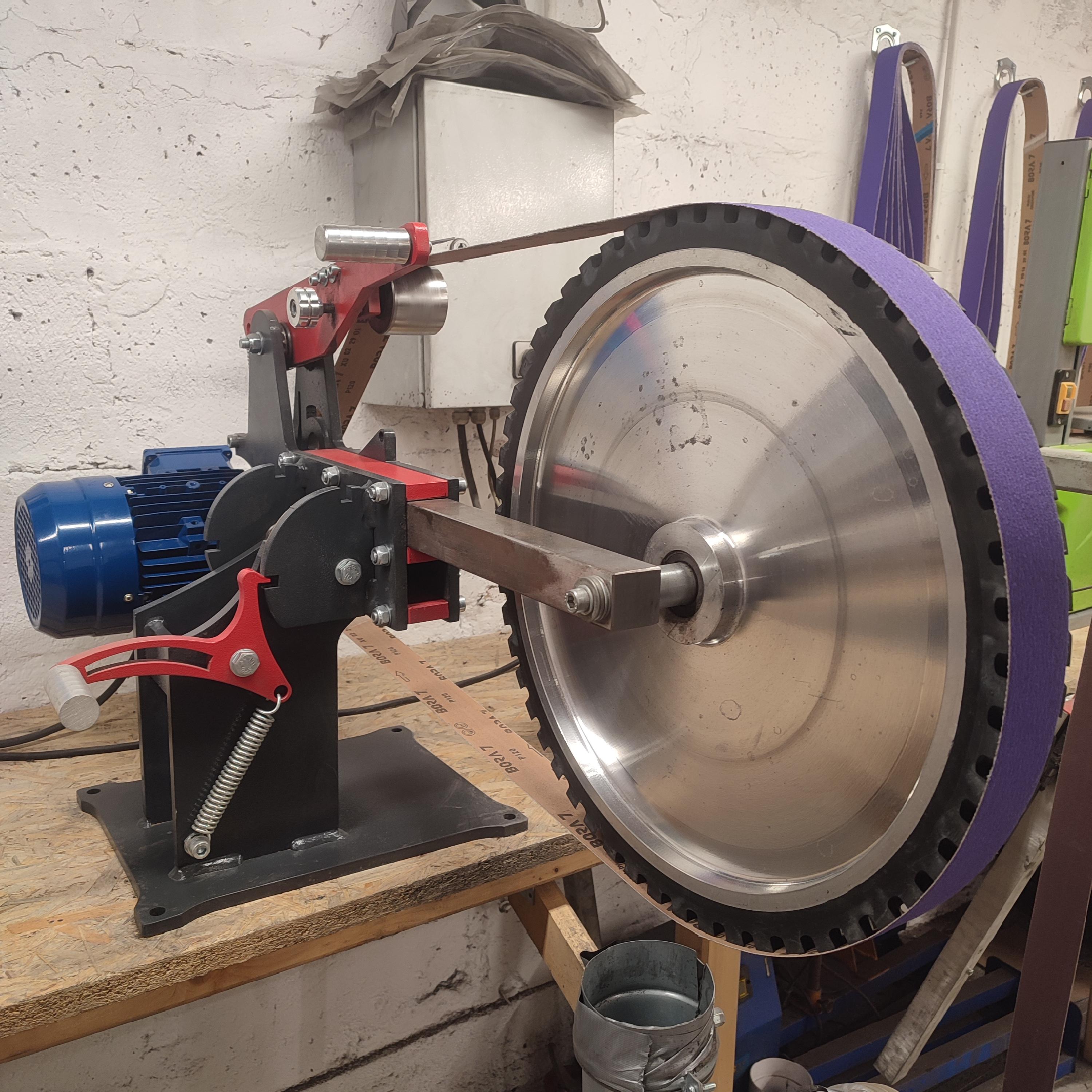
What it means in real use?
The first benefit you feel immediately: lower resistance. Fibrous media, tapes, layered cardboard, plastics – the knife goes through them faster, with a more predictable path. The second benefit comes with time: as you resharpen, the edge “moves into” the gentle hollow, so the thinness behind the edge stays longer than with a flat grind. In other words – the knife “thickens up” more slowly and keeps that desirable, effortless cut for longer. On top of that, there’s pure aesthetics: a clean, taut grind line without dramatic scoops that shout instead of highlighting the form.
Why it works better than the alternatives?
A flat grind is great and universal, but after several sharpenings it loses thinness behind the edge faster. A deep hollow cuts like a laser, but can be more picky when you push it into harder tasks. A convex handles abuse very well, but in everyday materials it tends to generate more drag. A large-radius hollow hits the sweet spot: it balances light cutting and cross-sectional stability, and at the same time is highly repeatable – from one knife to the next.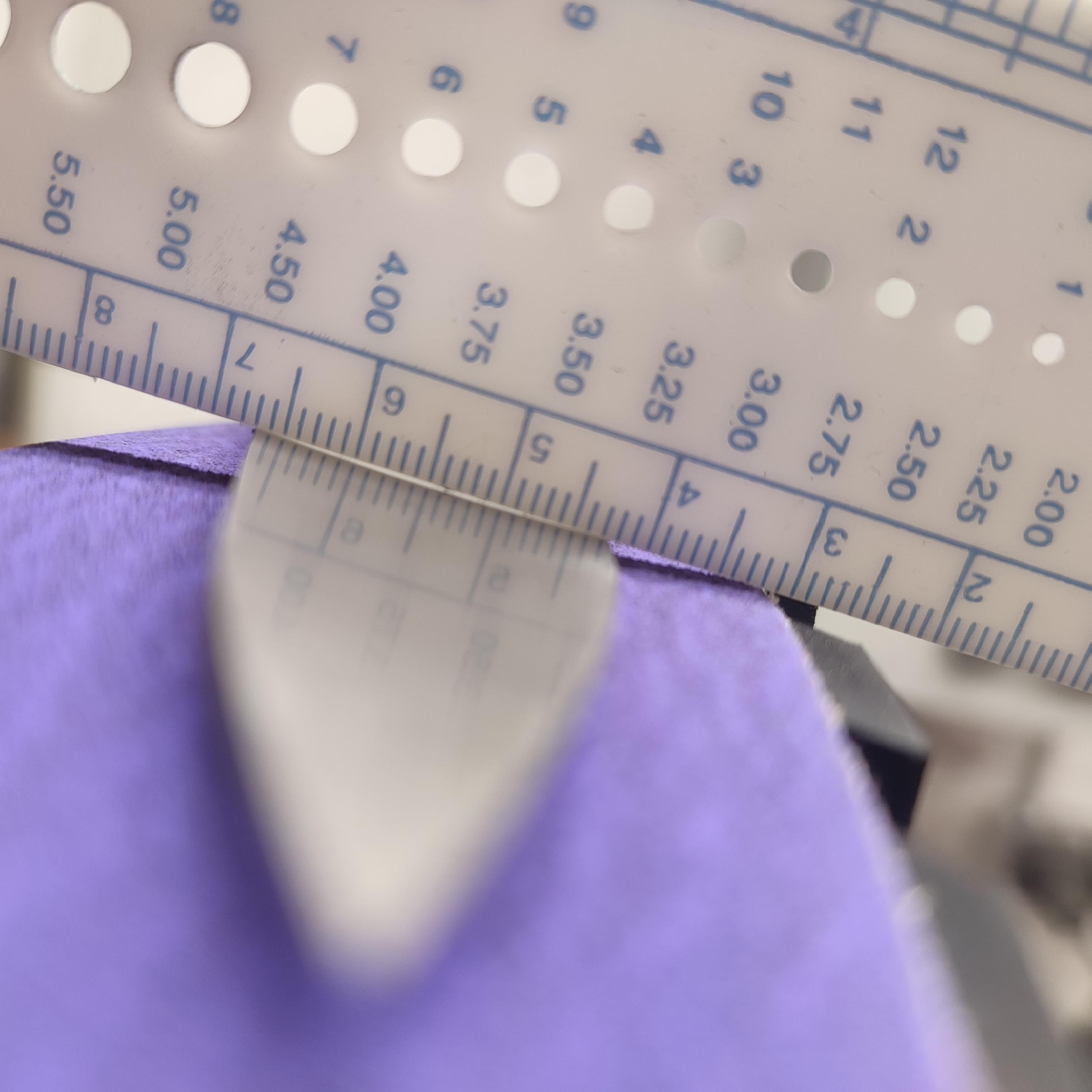
When you’ll appreciate it the most?
When you’re working at pace and the smoothness of every movement matters.
When you want the knife, after months of use, to still cut “like new” after a quick touch-up.
When you want aesthetics to go hand in hand with function – without fireworks that slow the blade down in the material.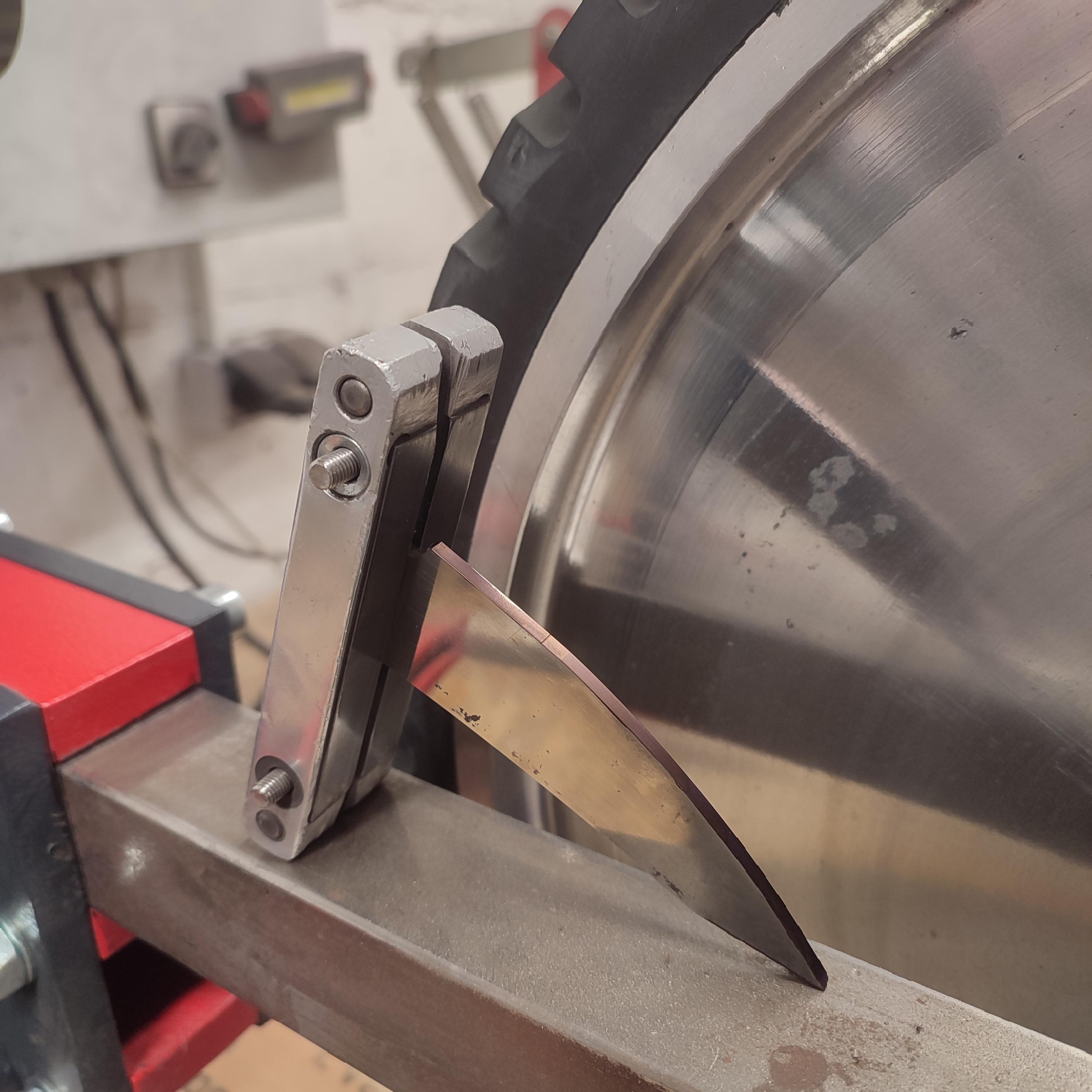
What to watch out for (honestly)?
No geometry does everything. If your tasks are prying, batoning and heavy field use – consider a stout flat or convex grind. If you sharpen by hand, stick to a consistent angle and don’t widen the primary bevel more than necessary. The goal is to keep it thin right behind the edge, because that’s where the whole advantage of the large radius actually happens.
Why we choose it at Herman Knives?
Because it’s a solution that genuinely improves the user experience. Lower cutting resistance, longer “life” of the geometry after repeated sharpenings, process repeatability and a look that doesn’t overpower the form, but refines it. It’s craftsmanship subordinated to function – exactly the way we like it.